
Frequently Asked Questions
“Why Alpacas?”
“Cute and curious with a calming hum.”
Sustainability
Year after year, alpacas produce soft, luxurious fiber for creating a range of products from clothing to felted sheets, yarn, roving, etc. They offer something for everyone!
Alpacas are easy on the environment. Their padded feet don’t tear up pastures, and they use the same communal dung pile.
Alpaca dung (known as beans) are one of the best soil enhancers out there, and can be directly used in any garden, unlike horse or cow manure.
Alpacas don’t need a lot of space to be raised—small acreage farms can house up to eight alpacas per acre.
Affordability
In the beginning, alpacas were marketed to the wealthy as an investment. Most of these folks would travel to shows and weren’t quite sure or interested in what to do with the fleece. Now, cottage industries are on the rise and alpaca prices have come down enough for the average person to own and enjoy.
Most alpaca owners are more then happy to assist and guide new alpaca owners. If, you are interested in acquiring alpacas; please research, research, research. Visit and talk to as many farms as you can. Make sure you have an alpaca vet in the area.
Product Quality
Alpaca fleece is known to be the silkiest, softest fiber known to humans—it’s even hypoallergenic and water-resistant. It is warmer, lightweight, and more breathable than any other fiber.
22 colors and 2 breeds to choose from:
Suri has long, silky locks. Suri fleece has been known for centuries as “The Fiber of The Gods.” Their fiber is well sought-after and competes well with silk, cashmere and wool.
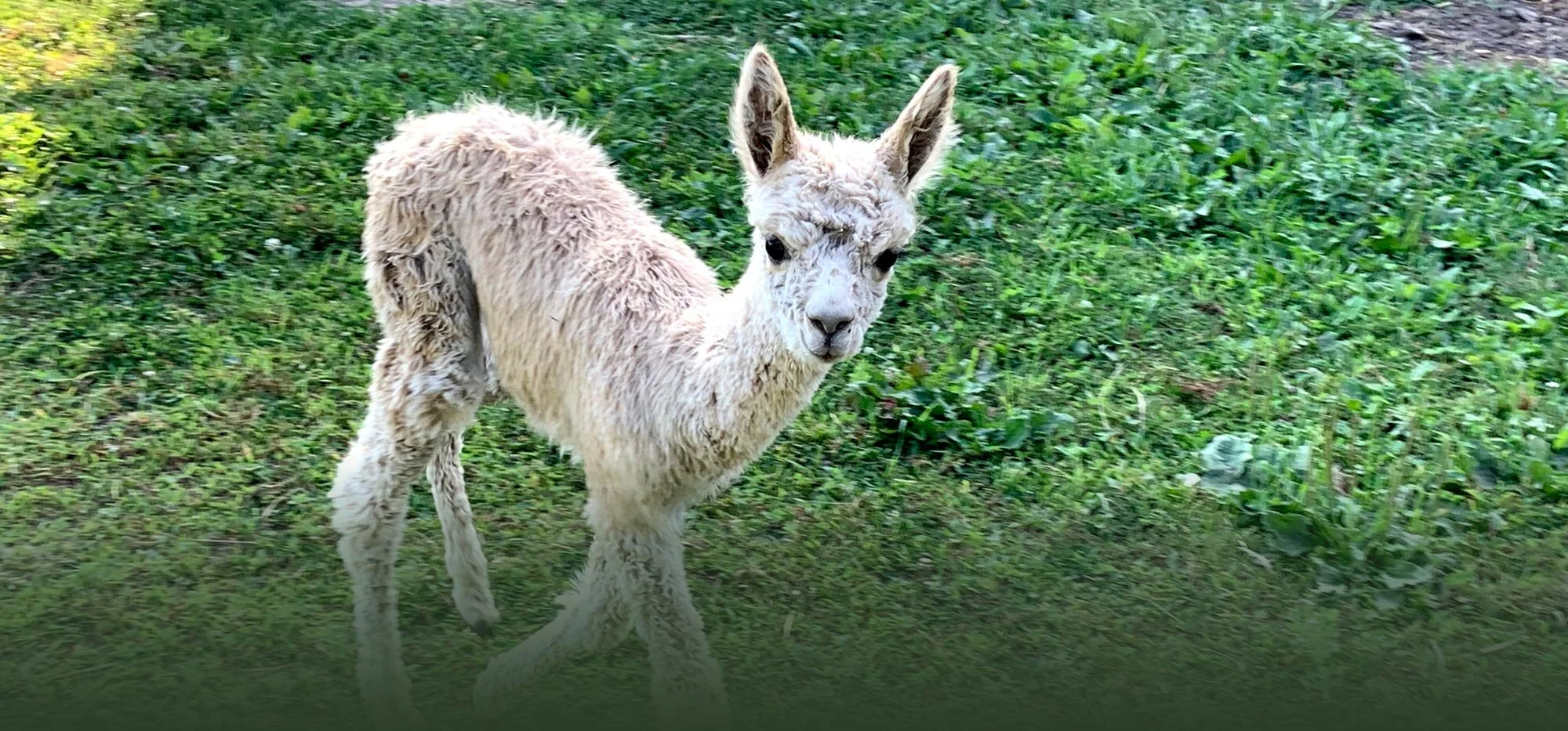
Huacaya (pronounced wah-KI-ya) has short, dense, and crimpy fiber, with more elasticity than that of Suri.

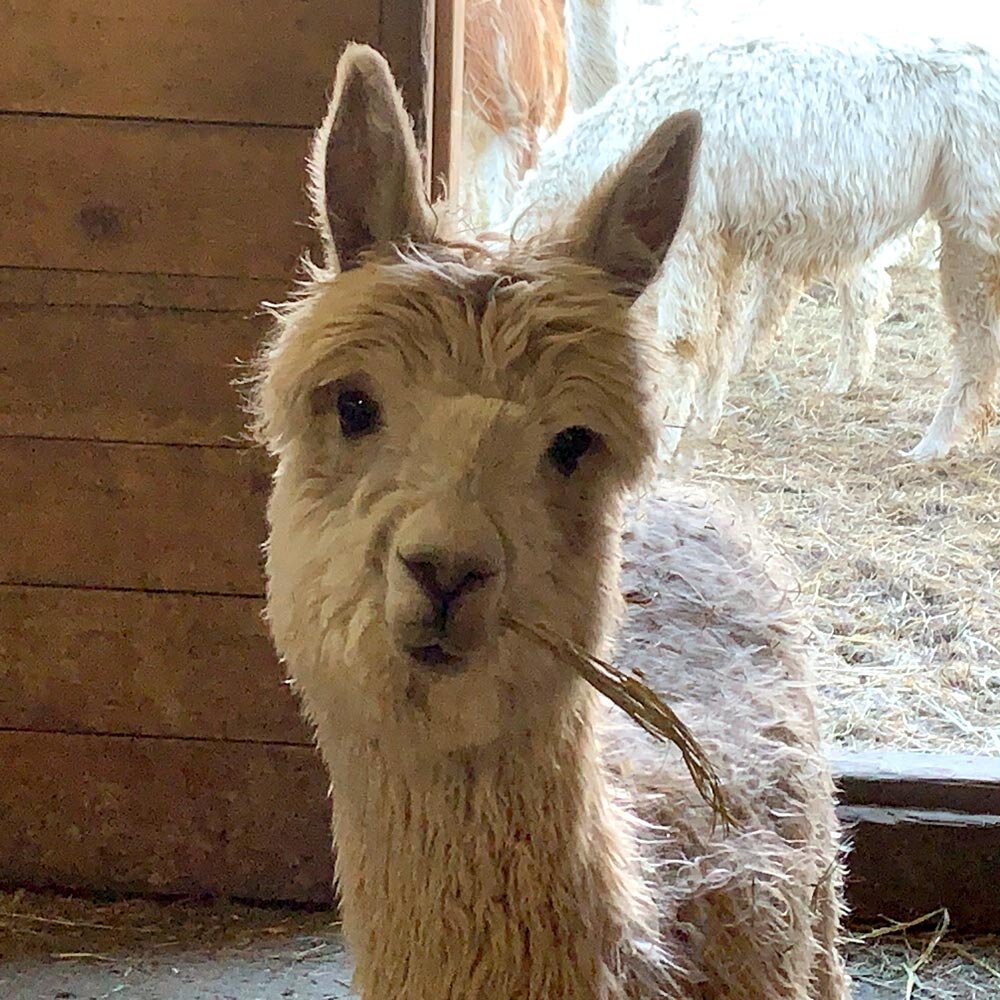
Say hello to a friendly face or two!